
Public health · Private health · Social systemsMédico cirujano · CMP 47280 · RNE 028936 · RNA A11324

I lead and transform health and social systems — from the inside, with results.

Physician and health manager with over 18 years leading hospitals, insurers, public networks and private clinics in Peru. Consulting, advisory and leadership for institutions that want systems that truly serve people.

99.95%
Budget execution · J. C. Ulloa Hospital
S/100M
Annual budget managed (S/)
+2000
Staff led
+100
Health facilities managed
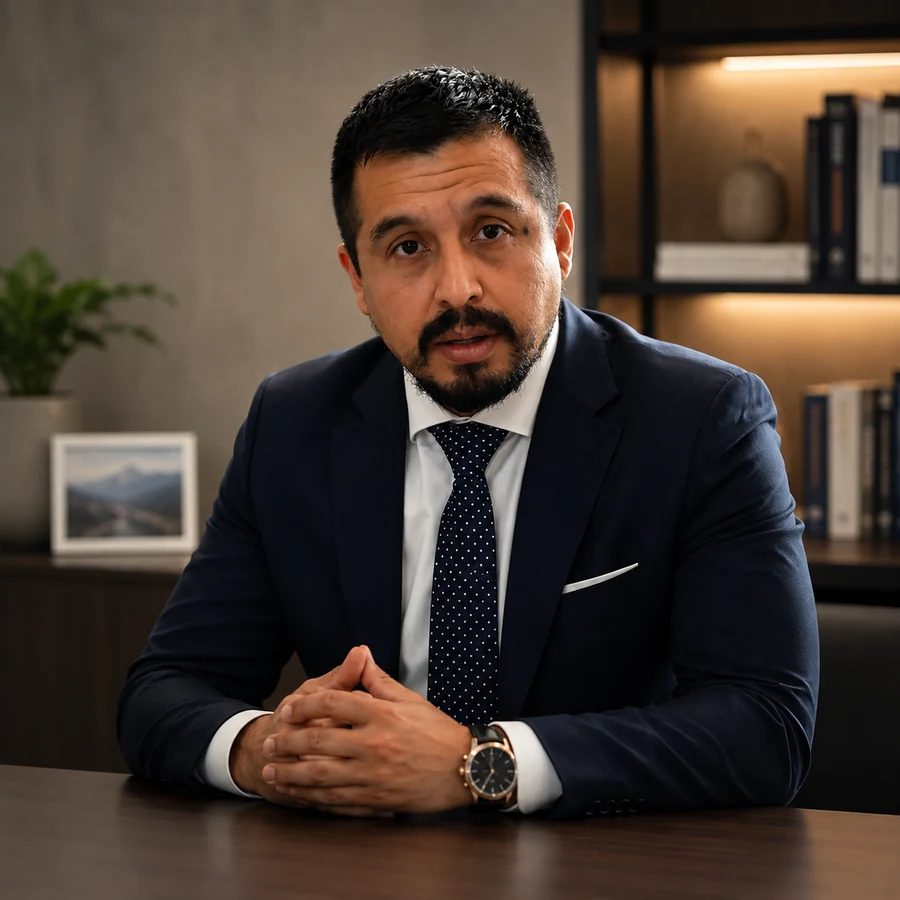
Portrait of Dr. Alberto Gonzales Guzmán, physician and health systems manager
Profile

I've spent my career inside the systems others only diagnose.

I'm Dr. Alberto Gonzales Guzmán, physician-surgeon (UPCH) and Health Management specialist (UNMSM). For over 18 years I've worked inside Peru's health systems —not observing them from outside— directing hospitals, insurers, integrated networks and private clinics.

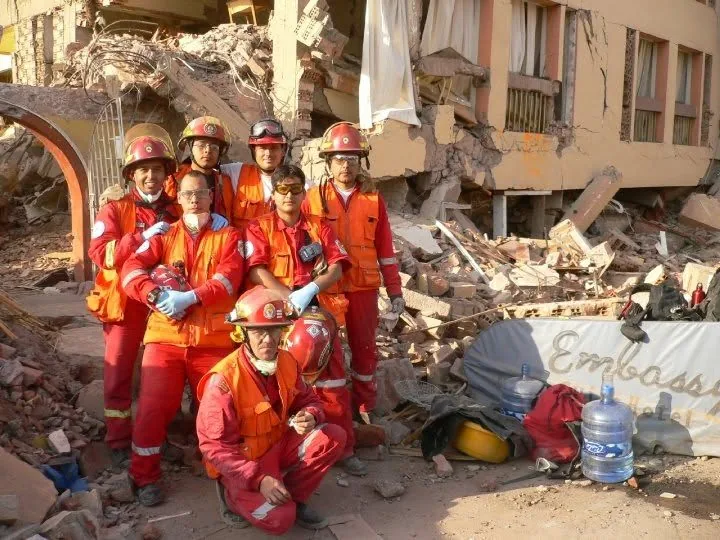
I combine that management experience with training in disaster-risk economics, public health, philosophy and artificial intelligence, and with the discipline of Lean Six Sigma (Black Belt). I'm equally at home in a ministry, on a clinic's board, or coordinating an emergency response as a volunteer firefighter, captain rank.

Dr. Alberto Gonzales Guzmán · CMP 47280 · RNE 028936 · RNA A11324
Areas of impact

Three systems. One method to fix them.

I've led and advised across the three fronts where health and social policy meet. That's where I do my best work.

Public health systems

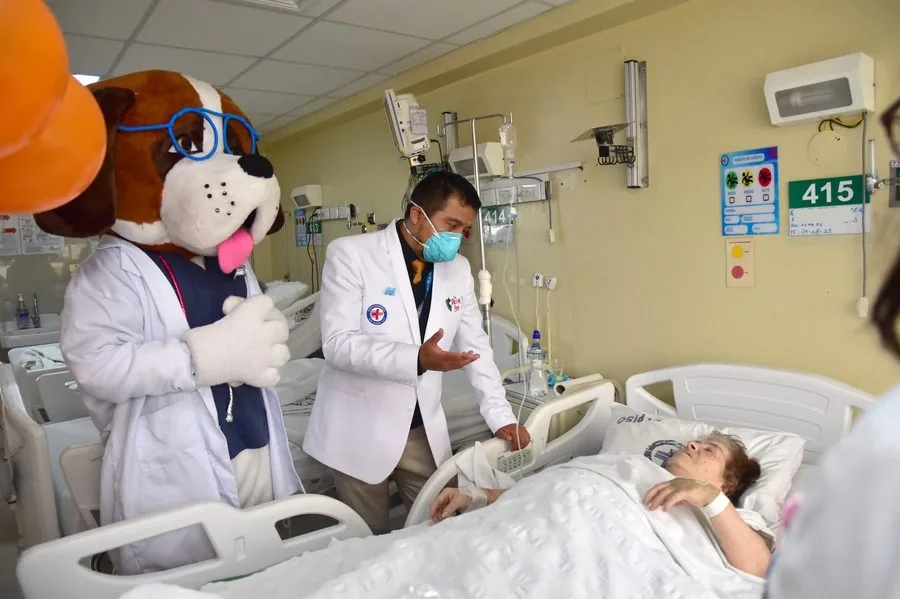
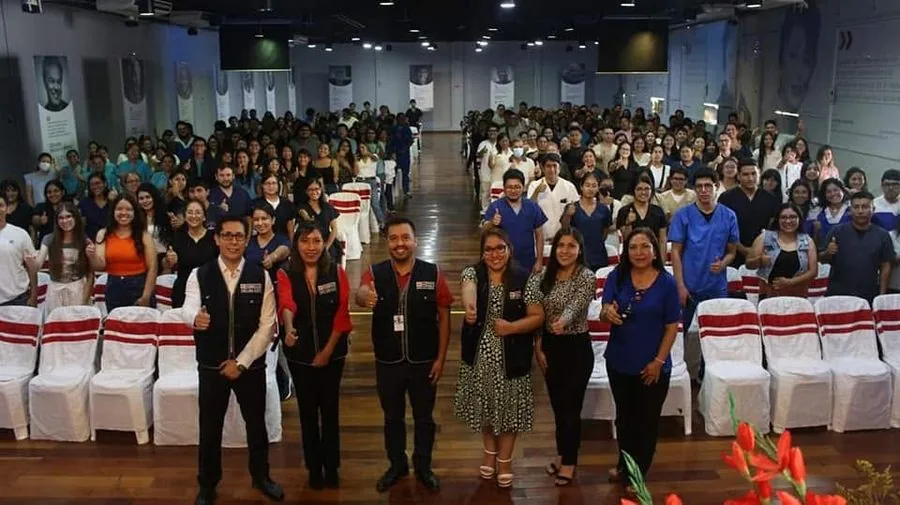
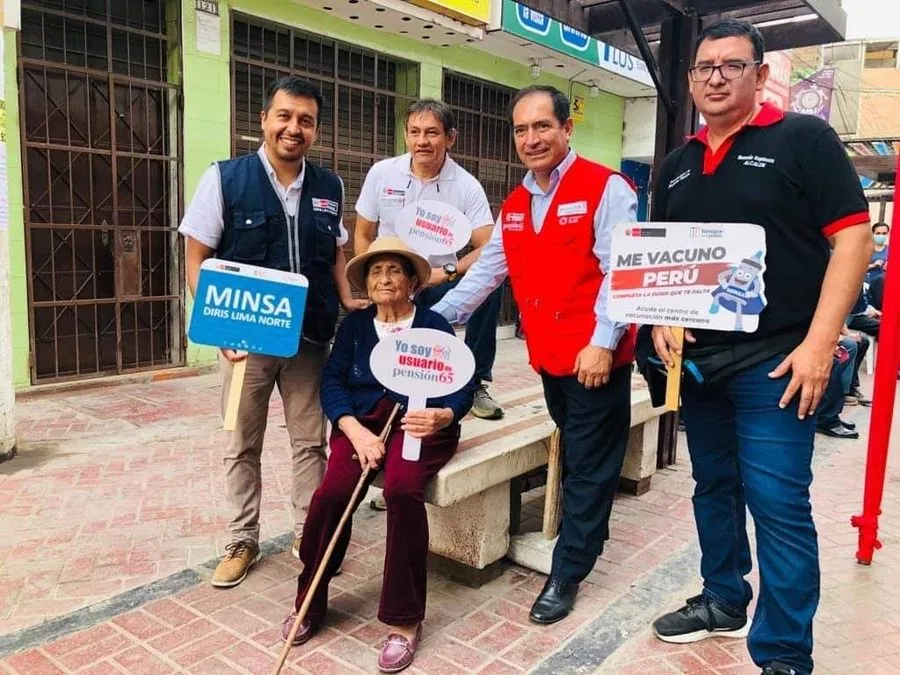
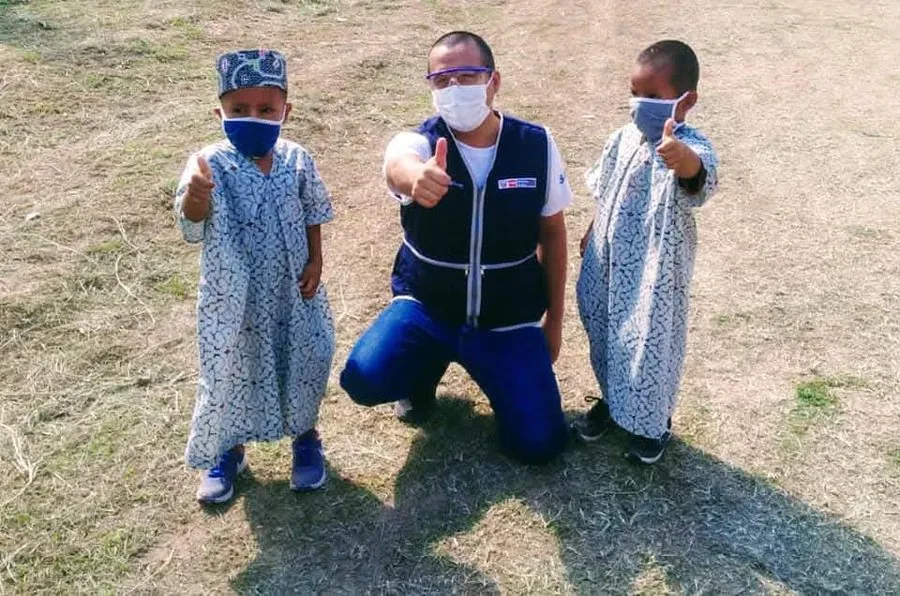
I've led and advised from the Ministry of Health, integrated networks (DIRIS/DIRESA), public hospitals and state insurers like SaludPol and SIS. I know financing, budget programs and health-workforce management from the inside. I also led the COVID-19 vaccination campaign.

Private health systems

As medical director of clinics and quality auditor, I help the private sector grow with efficiency, sound clinical practice and profitability, without losing sight of the patient.

Social systems

I've led projects with NGOs like Partners In Health and Americares, and consultancies with USAID, on COVID-19 response, mental health and disaster-risk management, connecting services, data and communities.

How I work

From diagnosis to results, no shortcuts.

A proven method to intervene in complex systems without breaking what already works.

01

Diagnosis

I understand the real system —with data, fieldwork and the people who sustain it— not the org chart.

02

Design

I prioritize interventions by impact and feasibility, with the discipline of Lean Six Sigma and evidence.

03

Implementation

I support execution. I've been accountable for making things happen, not just recommending them.

04

Results

We measure what changed for people and adjust until the system sustains itself.

How I can help

Let's work together.

01

Consulting

End-to-end transformation projects for health institutions and social programs that need real, measurable change.

02

Strategic advisory

Close guidance for boards, ministries and leadership teams on their hardest decisions.

03

High-level roles

Available for executive and management roles —public or private— with a proven track record directing hospitals and health institutions.

04

Talks & keynotes

Speaker at national and international forums, including the World Hospital Congress (Geneva, 2025), on the future of health in the region.

Track record & results

The work speaks.

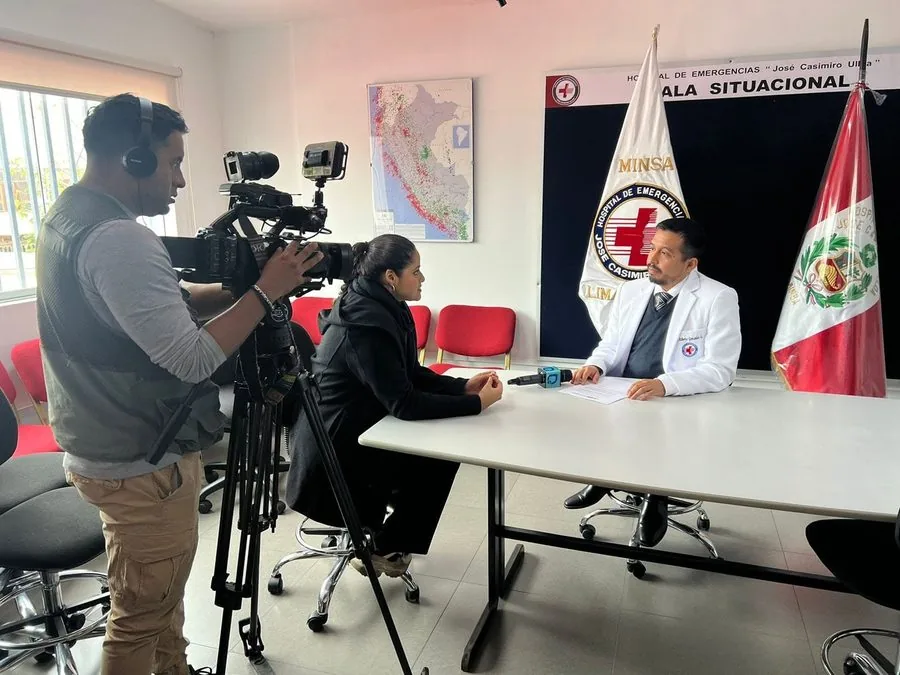
As General Director I ran a highly specialized hospital with over 2,000 staff and a S/100 million annual budget, reaching 99.95% budget execution, with equipment investments, renovations and recognitions for good public-management practices.

José Casimiro Ulloa Emergency Hospital · 2024–2025

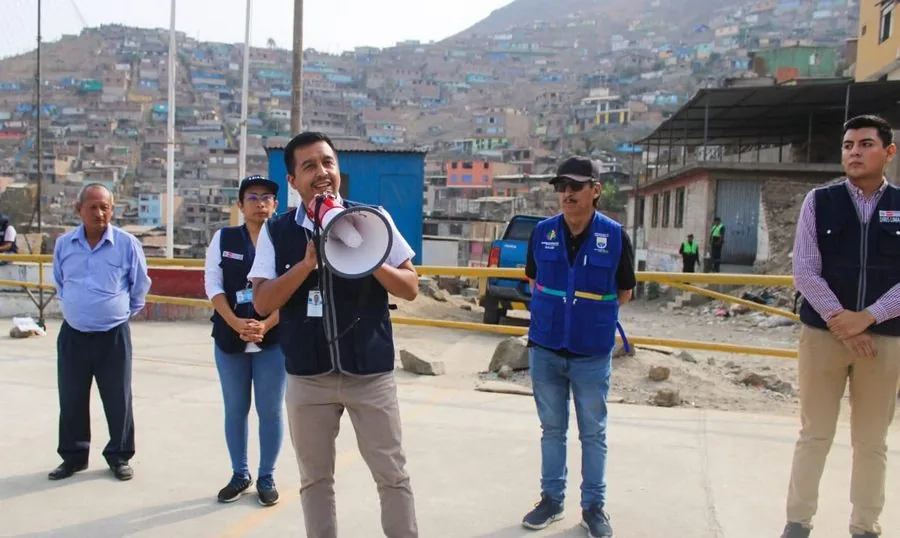
I managed over 100 health facilities and the regulatory oversight of 3 hospitals, running integrated health networks in one of Lima's most populated areas.

DIRIS North Lima · Ministry of Health

As Director of Member Services I implemented the after-sales process and streamlined the letter of guarantee, improving members’ experience and coverage.

SaludPol · 2023–2024

In the private sector: sustained operability above 95% (GWA Medical), 20% faster response times (SISOL), and the launch of a new site with highly specialized surgical processes (Arthromeds Clinic).

Medical directorships · Private sector
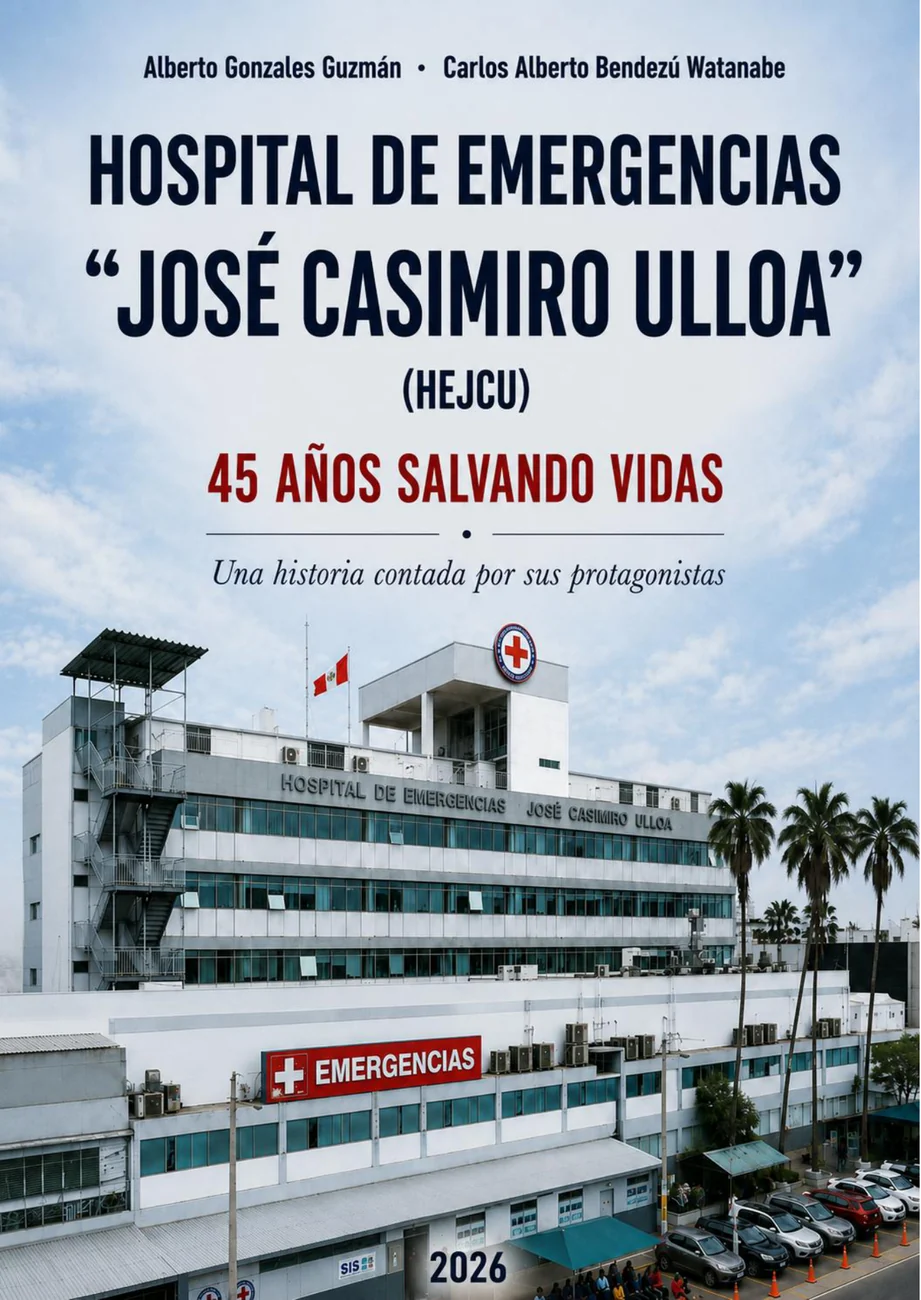
Cover of the book «Hospital de Emergencias José Casimiro Ulloa. 45 años salvando vidas», by Alberto Gonzales Guzmán and Carlos Alberto Bendezú Watanabe
New book · August 2026

45 años salvando vidas

The history of the José Casimiro Ulloa Emergency Hospital in Lima, told by the people who built it — from a disputed plot of land in Miraflores to the alarm that summons the trauma team in seconds. Forty-five years in which the country walked in, again and again, through the emergency door. Written in Spanish.

Alberto Gonzales Guzmán · Carlos Alberto Bendezú Watanabe
ISBN 978-612-03-3021-0 · Peruvian legal deposit 2026-10144 · Registered DOI
Free download, no sign-up
266
Pages
9
Chapters
19
Testimonies
36
Annexes
s="eyebrow" data-i18n="media_eyebrow" style="margin-bottom:16px">Training & institutions
MINSA EsSalud SaludPol SIS USAID OPS / PAHO IHF · Ginebra CLACSO ONU · Viena Socios en Salud UPCH UNMSM ESAN U. del Pacífico CAEN
Selected publications
2025

Impact of the COVID-19 Pandemic on Violence-Related Emergency Visits in Peru — Int. J. Environ. Res. Public Health.

2025

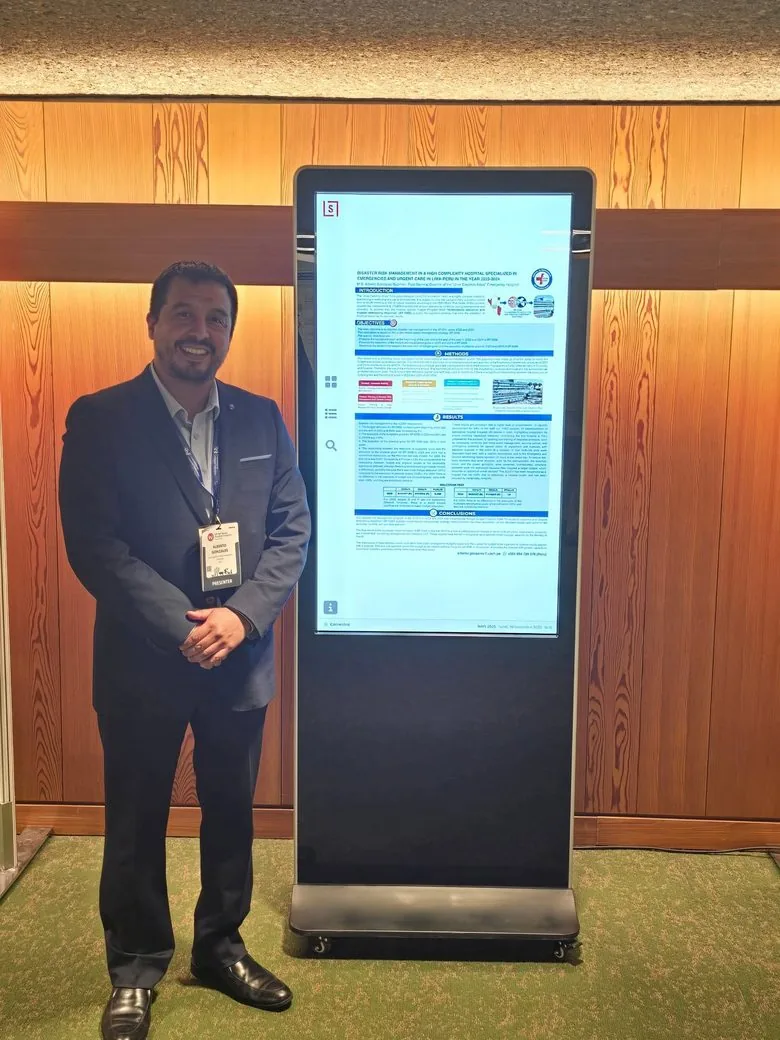
Disaster risk management in a high-complexity hospital — presenter at the 48th World Hospital Congress, Geneva 2025.

2021

Budget analysis of disaster-risk management in health, North Lima — Pensamiento Crítico, UNMSM.

See all with DOI and ORCID →
Publications & updates

Ideas, articles and columns.

I share analysis and experiences on transforming health systems. You can read and comment on each post on LinkedIn.

See all 9 articles, grouped by theme →
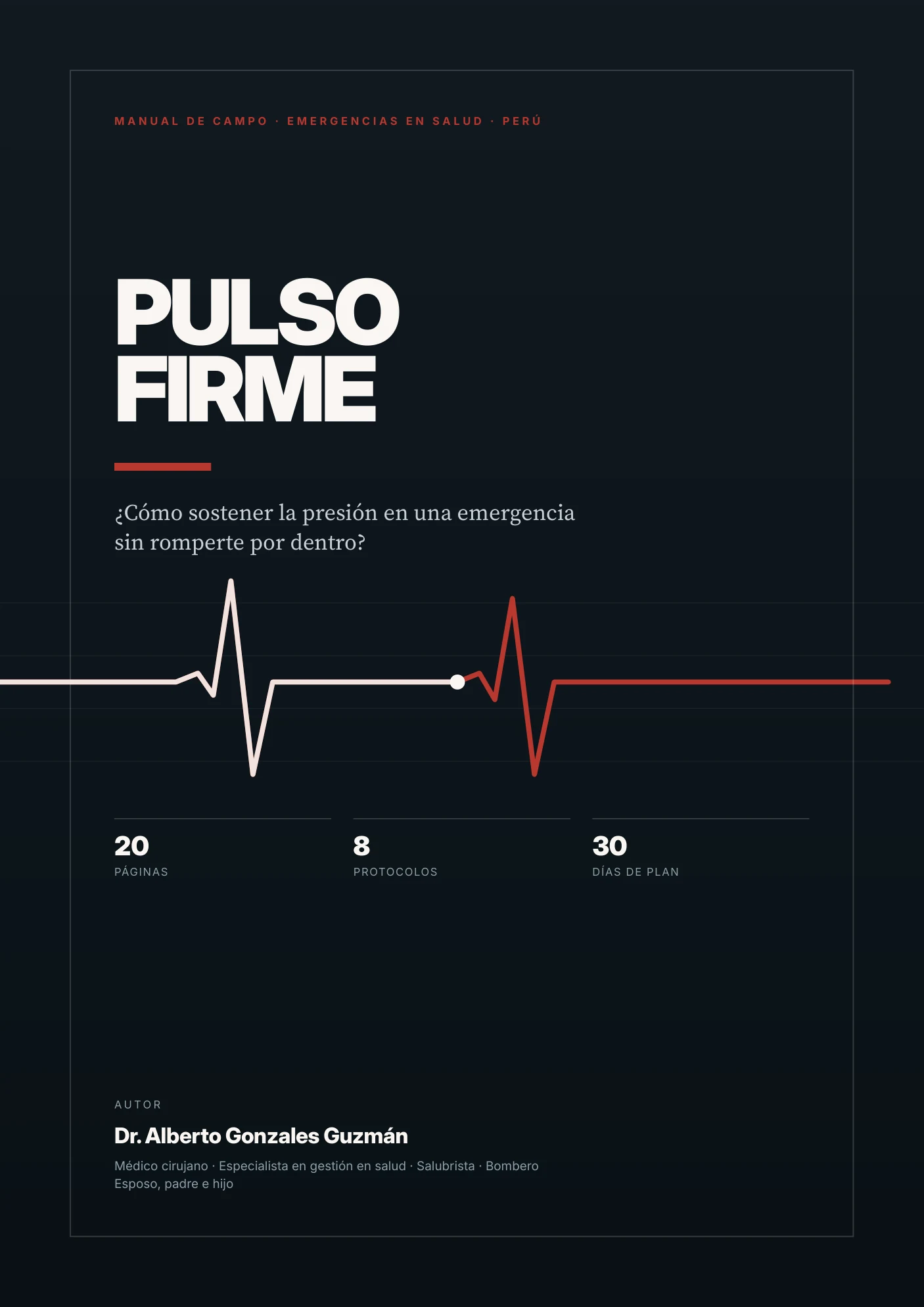
Cover of the field manual Pulso Firme

Pulso Firme: how do you hold up under pressure in an emergency without breaking inside?

My first book. A 20-page field manual for health workers, with eight protocols and a 30-day plan. We were taught protocols, doses and algorithms; nobody taught us what to do with our own body when someone else\u2019s is shutting down. Free download, with ISBN, legal deposit and DOI.

See the book and download it →
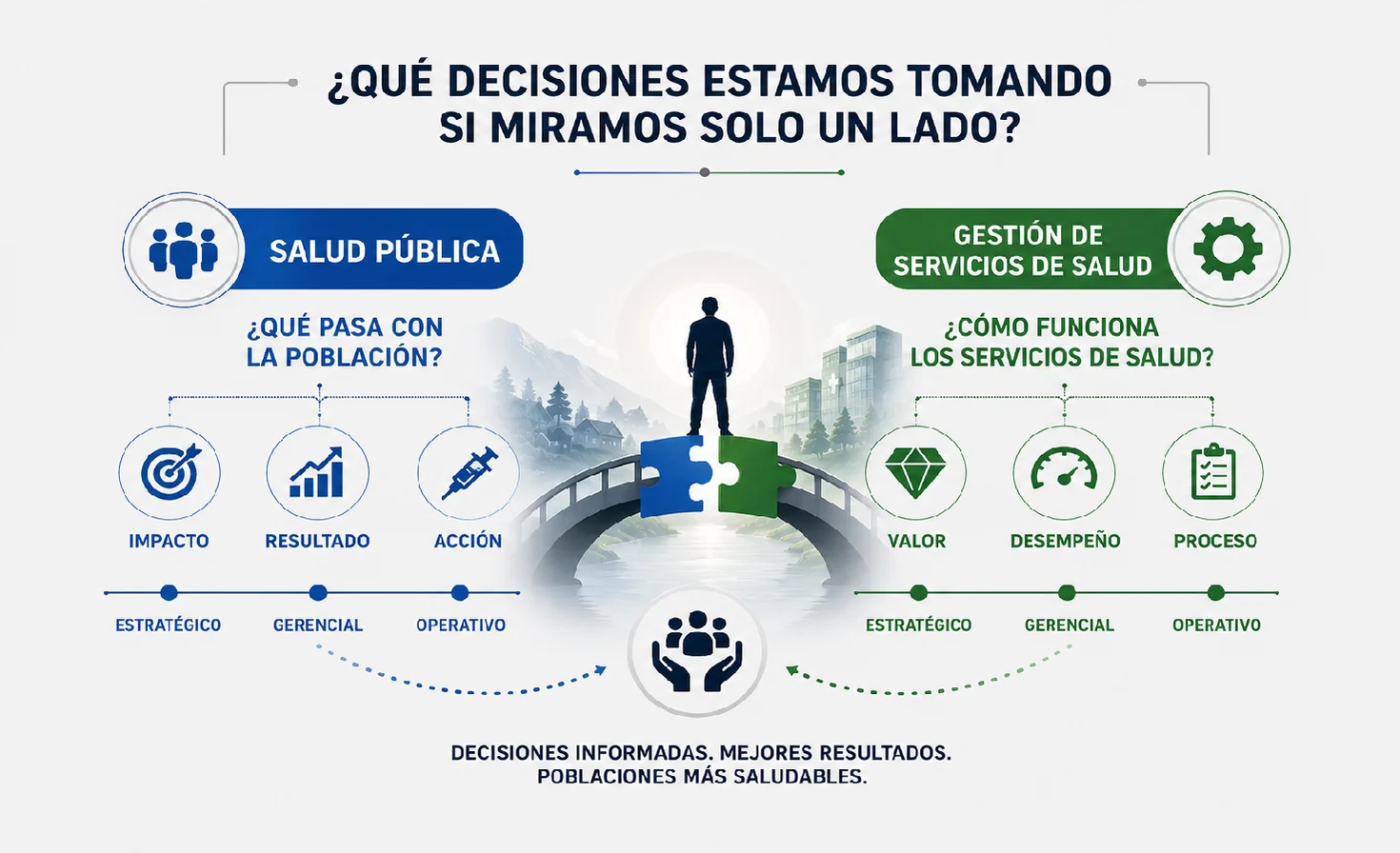
Diagram of the two lenses needed to manage health: public health —impact, result and action— and health service management —value, performance and process— joined like two puzzle pieces on a bridge

Health cannot be managed by looking from one side only

Meeting targets, spending the whole budget and cutting waiting times — and still improving no one's health. Public health says where to go; service management builds the capacity to get there. And a third lens is almost always left out: the level at which the decision is made. Written in Spanish.

Read the full article →
Hand hygiene in a hospital unit, with the four functions of an infection prevention and control programme: prevent, detect, respond and learn

IAAS and AMR: a hospital needs response capability, not just protocols

The question is not «do we have an infection control committee?» but «how prepared is our hospital to manage the risk?» Six capabilities an institution needs to be able to exercise, a five-level maturity scale, and a dashboard that connects microbiology, pharmacy, devices and epidemiology before an outbreak connects them for us. Written in Spanish.

Read the full article →
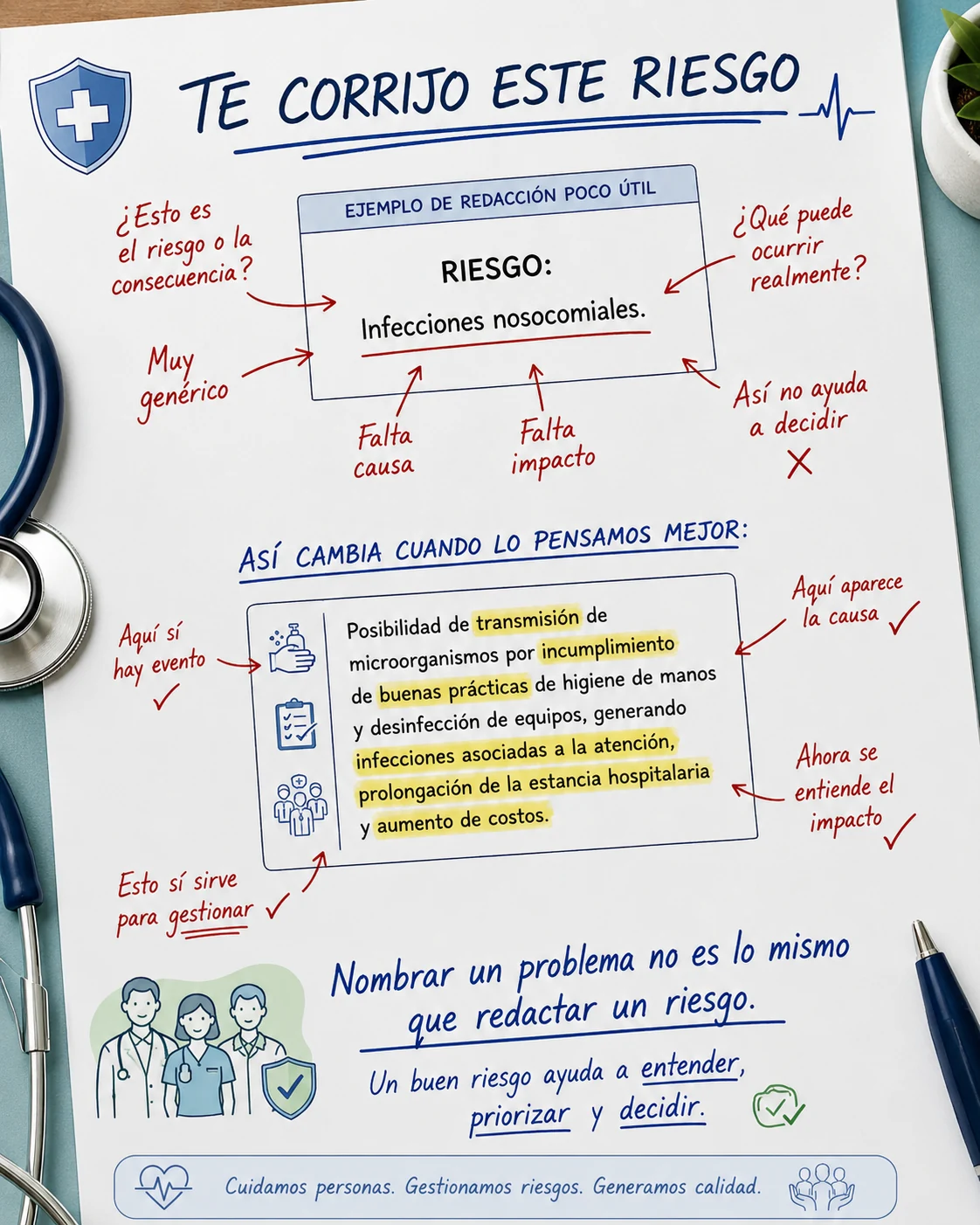
Infographic: how to move from a vague risk statement to one that states event, cause and impact

Naming a problem is not the same as writing a risk statement

\u201cRisk: nosocomial infections.\u201d Two words that are correct, technical and utterly useless: they allow no prioritisation, no control, no audit. A sound risk statement carries event, cause and impact, and is recognised by one thing alone: it helps you understand, prioritise and decide.

Read the full article →
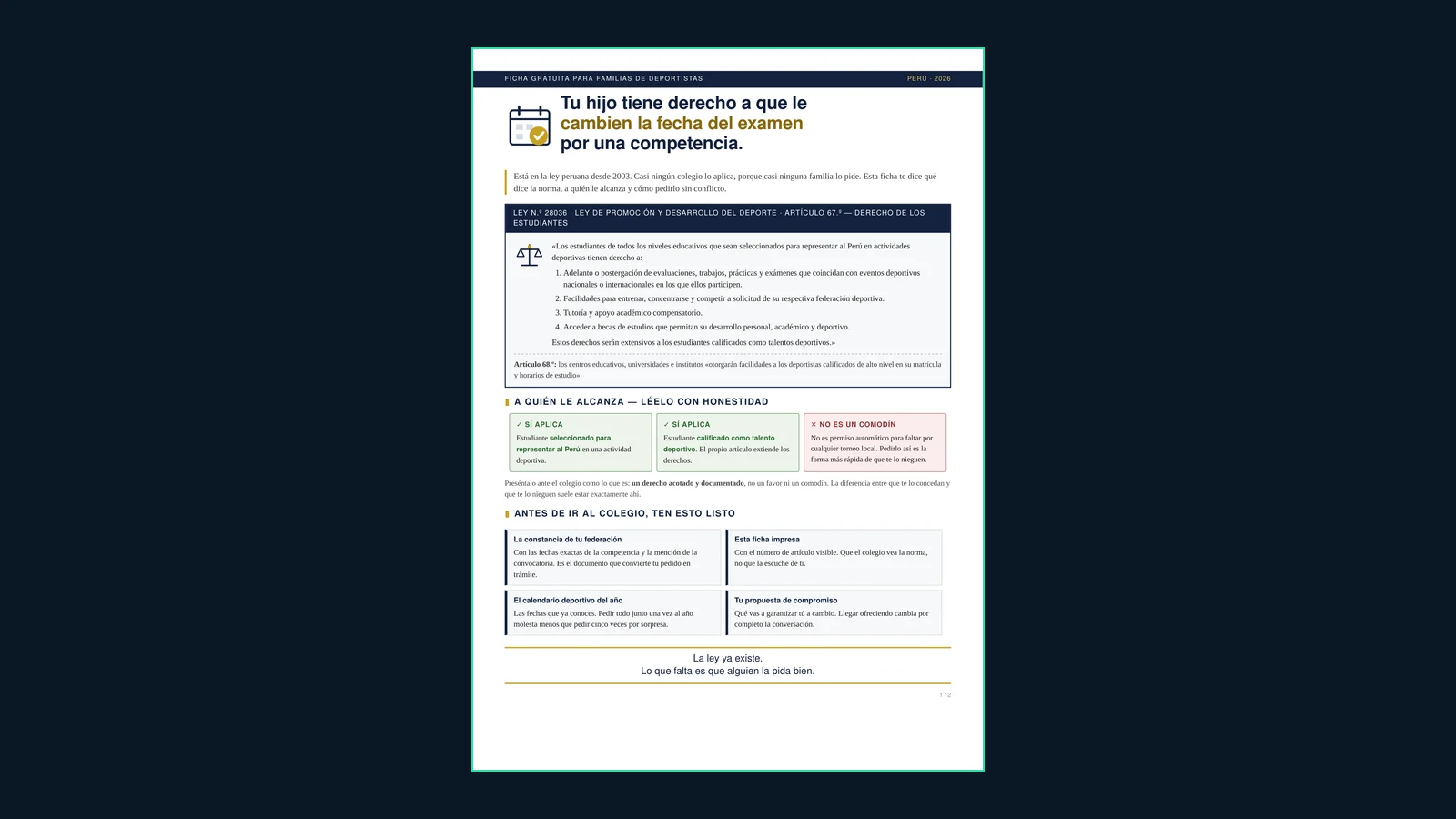
Guide to article 67: school rights of student athletes in Peru

Your child has the right to have an exam rescheduled for a competition

It has been Peruvian law since 2003, and almost no school applies it, because almost no family asks. A free guide for athletes\u2019 families: what article 67 says, who it covers and how to ask for it without conflict. Written as a doctor and as a father.

Read and download the guide →
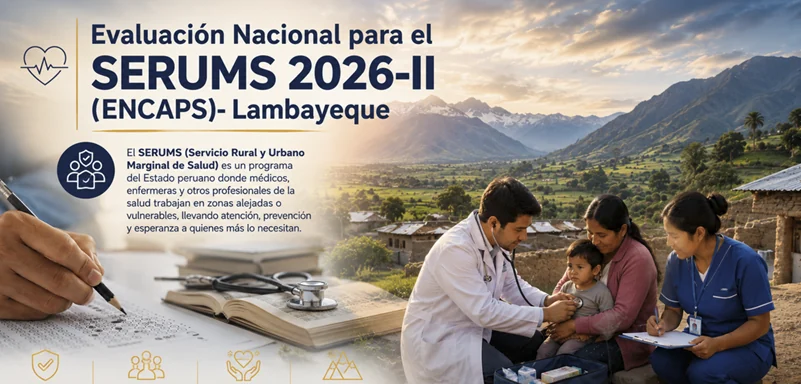
National assessment for SERUMS 2026-II, Peru's rural health service — Lambayeque

When the State shows up, health earns trust

1,481 professionals from eleven health careers sat the National Assessment for SERUMS 2026-II in Lambayeque. Behind them: nearly 100 people, oversight from professional associations and the Ombudsman\u2019s Office, and one conviction — in sensitive processes, legitimacy is not decreed, it is built.

Read the full article →
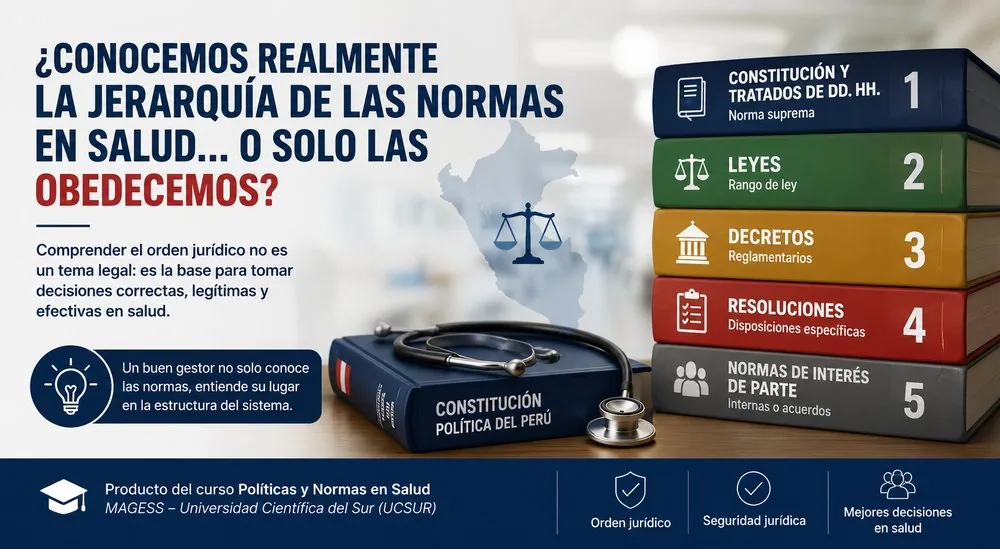
Do we understand the hierarchy of health regulations? — Dr. Alberto Gonzales Guzmán

Do we know the hierarchy of health regulations, or do we just obey them?

Understanding the legal order isn’t a legal matter: it’s the basis for making correct, legitimate and effective decisions in health. A good manager doesn’t just know the rules; they understand their place in the system’s structure.

Leer el artículo completo →

El Niño 2026: will we act before the damage?

NOAA projects an 81% chance of a very strong El Niño between October and December. Beyond infrastructure, it drives dengue, diarrheal and respiratory disease in the north. Prevention costs a fraction of reconstruction.

Read on LinkedIn →
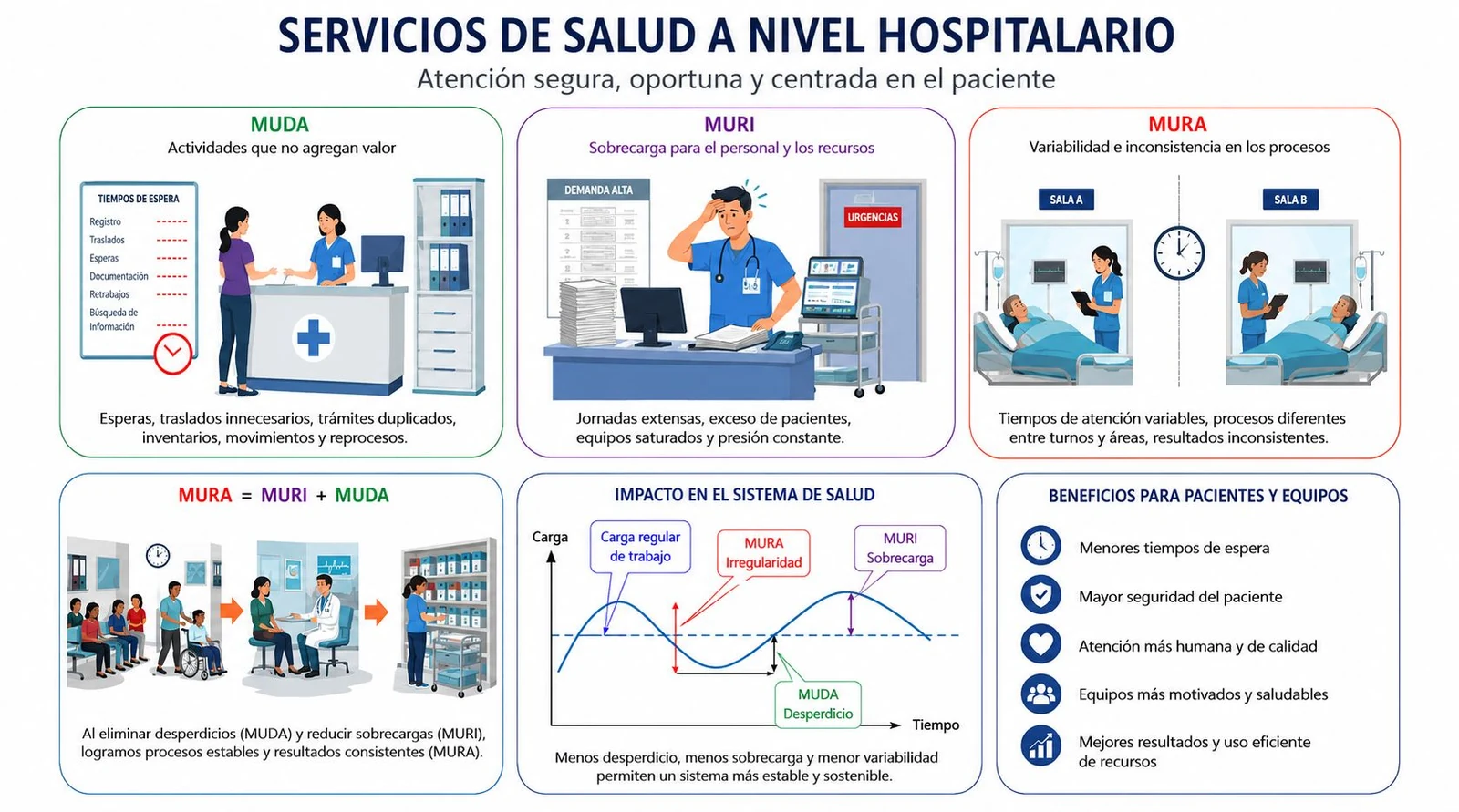
Infographic: muda, muri and mura in hospital health services

Muda, muri and mura: the three burdens that make a hospital sick

Preparing material for my classes, I went back to Lean thinking\u2019s three forms of loss: waste that adds no value, overburdened staff, and variability between shifts. In a hospital these are not textbook concepts: they are the patient\u2019s wait, the team\u2019s exhaustion, and the outcome that changes depending on who is on duty.

Leer el artículo completo →
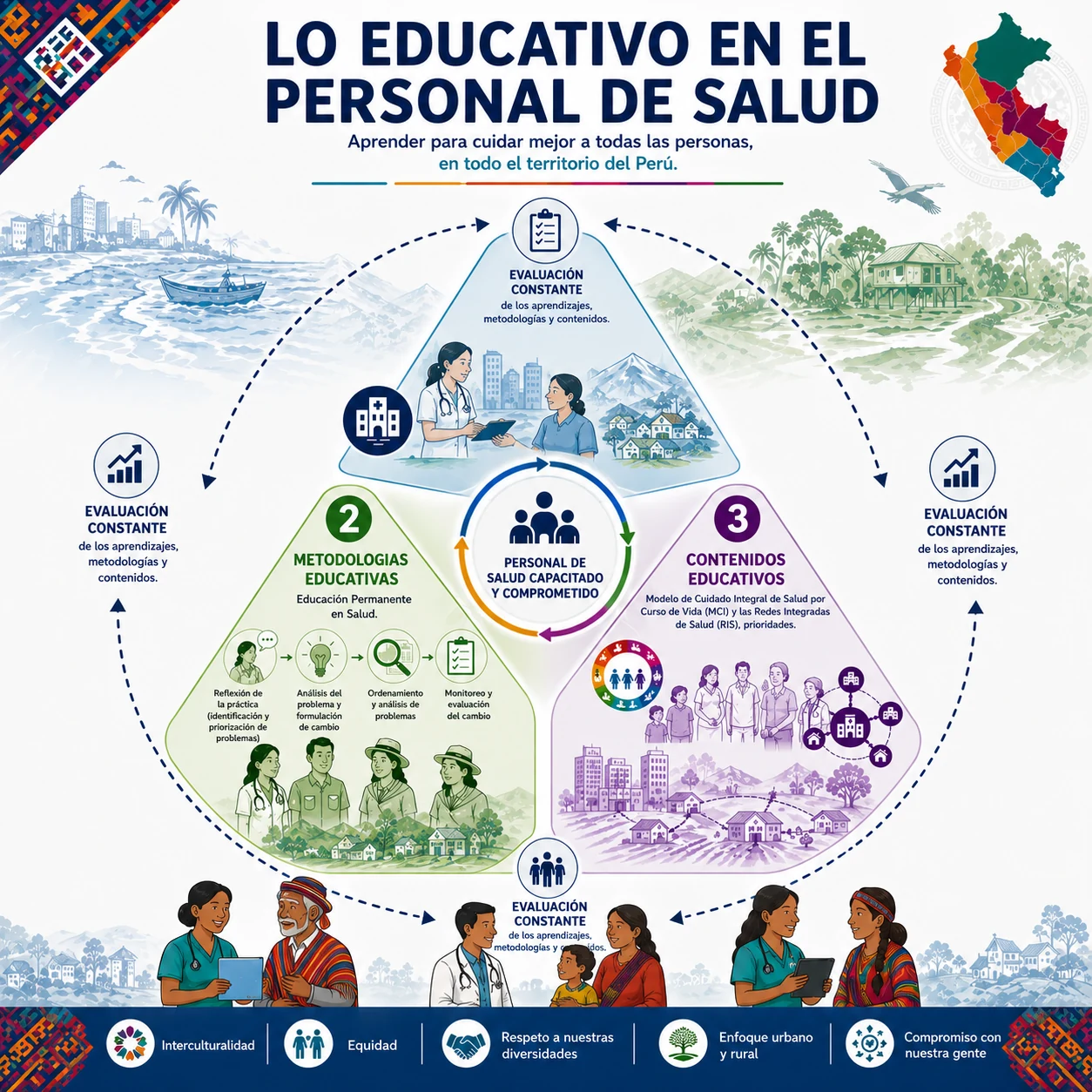
Infographic: learning among health workers — setting, methods, content and continuous assessment

The educational dimension of the health workforce

From the Directorate for Health Workforce Capacity, we set out in a single diagram how those who care actually learn: where learning happens — clinical, territorial and managerial — with what methodologies, following the Permanent Health Education cycle, and with what content, anchored in the Comprehensive Care Model across the life course and the Integrated Health Networks. All of it under constant evaluation, with one purpose at the centre: a trained and committed health workforce.

Leer el artículo completo →
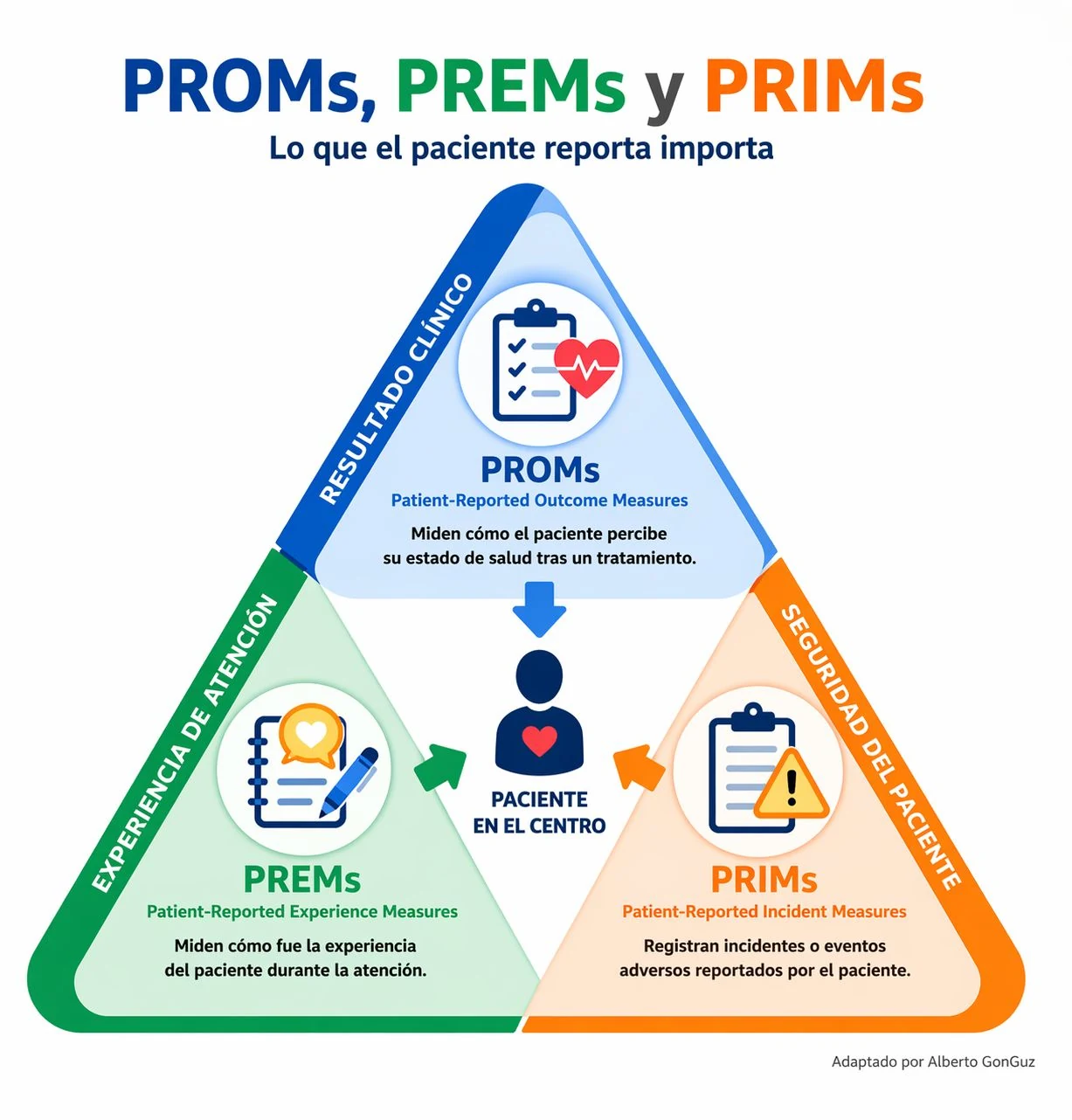
Infographic: PROMs, PREMs and PRIMs — clinical outcome, care experience and patient safety

PROMs, PREMs and PRIMs: what the patient reports matters

We measure beds, waiting times and budgets, yet we rarely ask the one person who knows whether the care worked. Three instruments correct that: PROMs capture how patients perceive their health after treatment, PREMs how they experienced the care itself, and PRIMs record the incidents patients report. Three vertices of one triangle, with the patient at the centre.

Leer el artículo completo →
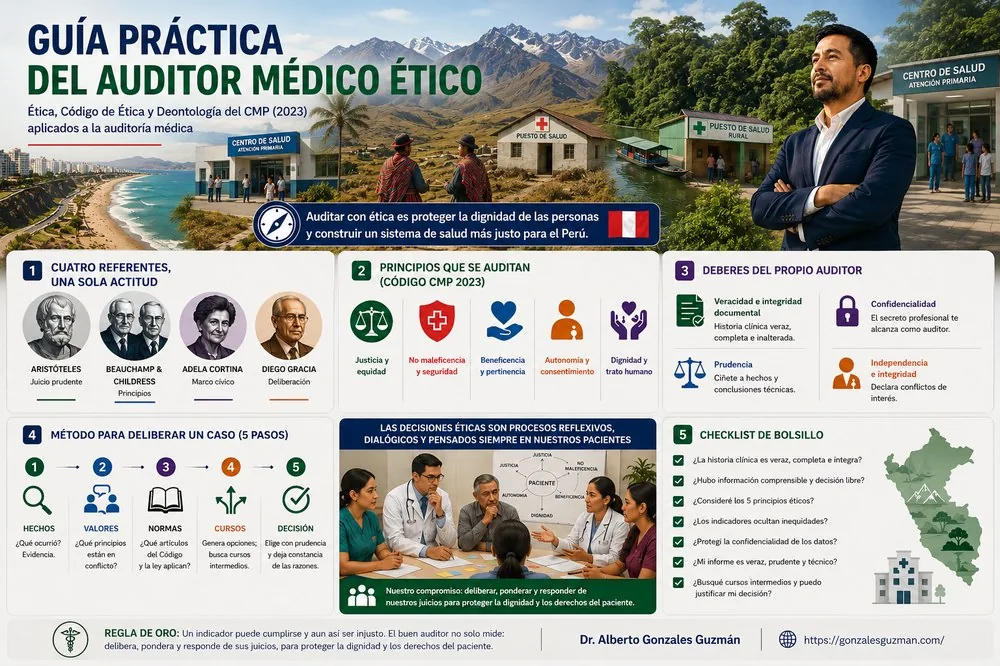
A practical guide for the ethical medical auditor

A practical guide to the ethical medical auditor

A guide to medical auditing with ethics, in light of Peru’s Medical College Code of Ethics (2023): the principles audited, the auditor’s own duties, and a five-step method to deliberate a case. Because an indicator can be met and still be unjust.

Leer el artículo completo →
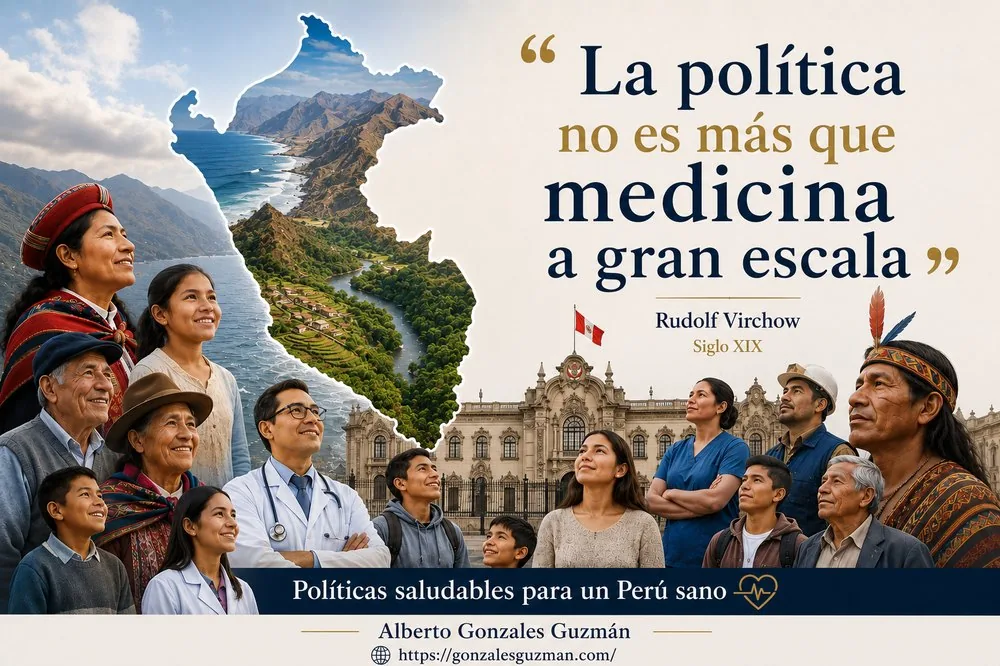
Healthy policies for a healthy Peru

Healthy policies for a healthy Peru

\u201cPolitics is nothing but medicine on a grand scale,\u201d said Virchow. Decisions on jobs, education, environment and housing shape a people\u2019s health more than hospitals themselves. Designing healthy public policies means caring for Peru at its roots.

Read on LinkedIn →
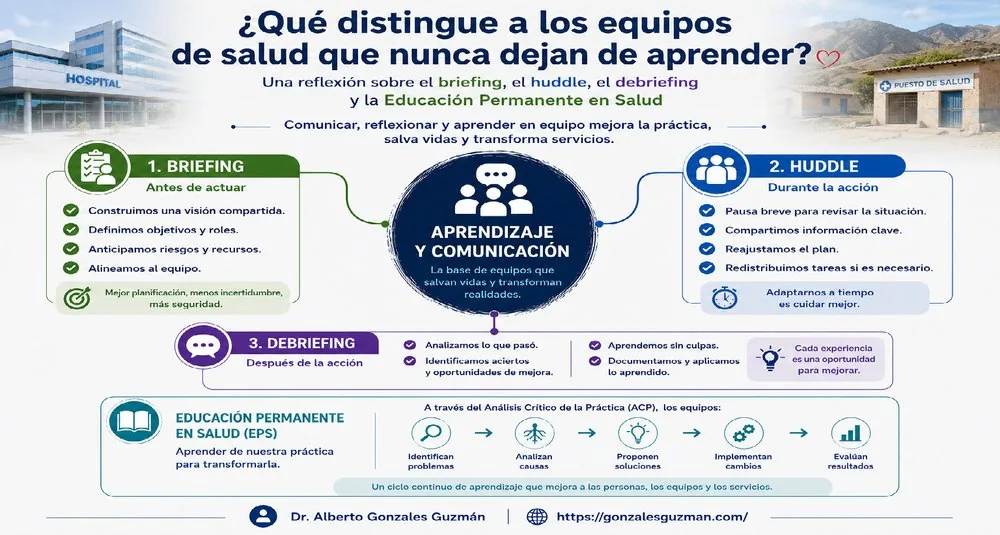
What sets apart health teams that never stop learning?

What sets apart health teams that never stop learning?

The teams that never stop learning share a routine: a briefing before acting, a huddle during, and a debriefing after. Communicating and reflecting as a team improves practice, saves lives and transforms services.

Read on LinkedIn →
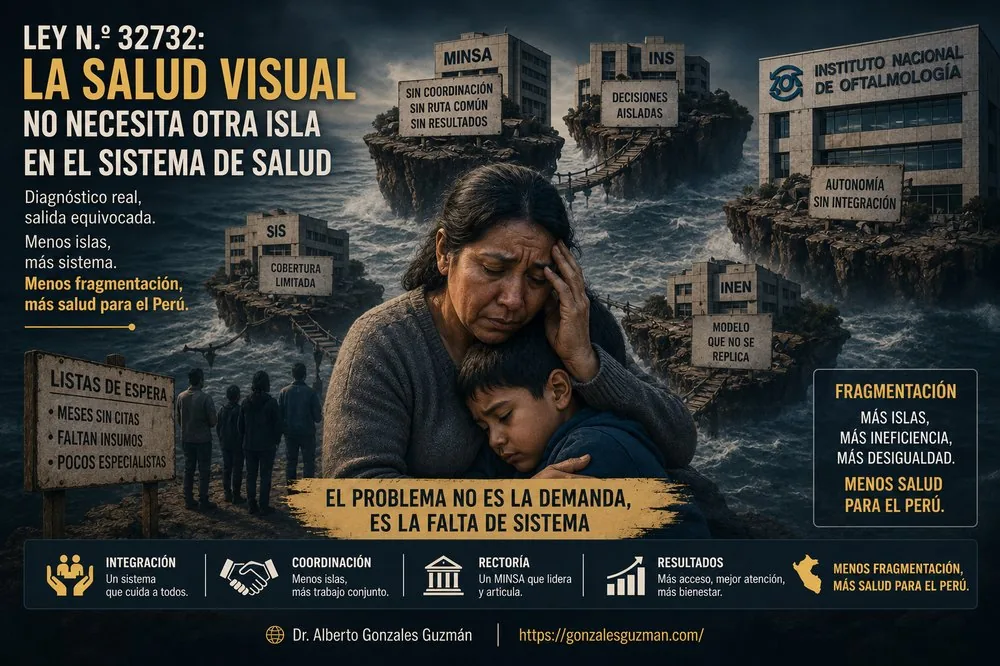
Law 32732: eye health does not need another island

Law 32732: eye health doesn\u2019t need another island

Law 32732 creates a new eye-health institute. But Peru\u2019s problem isn\u2019t demand, it\u2019s fragmentation: more \u201cislands\u201d mean more inefficiency and inequality. We need fewer islands and more system, with a Ministry of Health that leads and coordinates.

Read on LinkedIn →
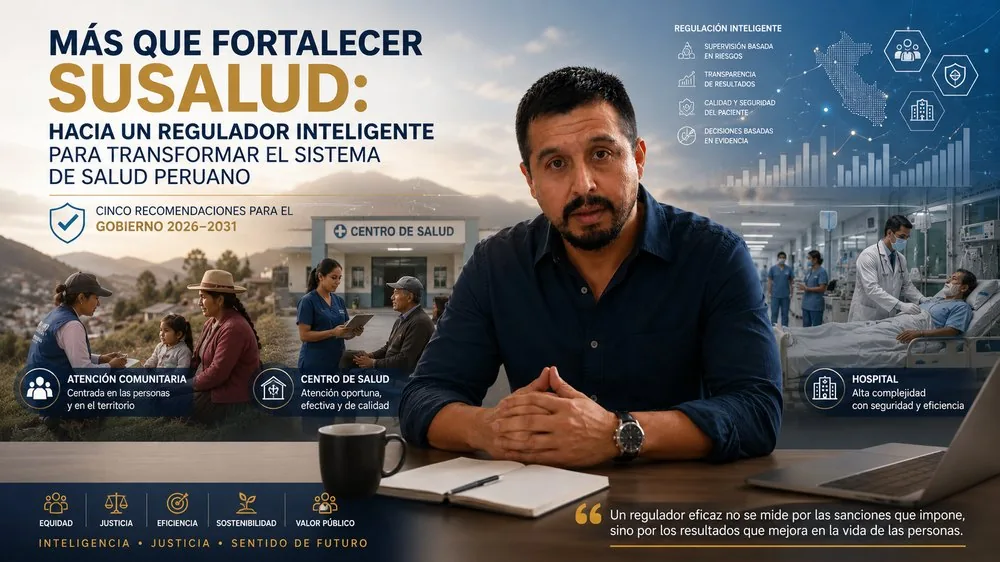
SUSALUD: towards a smarter health regulator

SUSALUD: toward a smart regulator

Five recommendations to transform the regulation of Peru\u2019s health system for the 2026-2031 government: risk-based supervision, transparency of results and evidence-based decisions. An effective regulator is measured not by the sanctions it imposes, but by the results it improves in people\u2019s lives.

Leer el artículo completo →
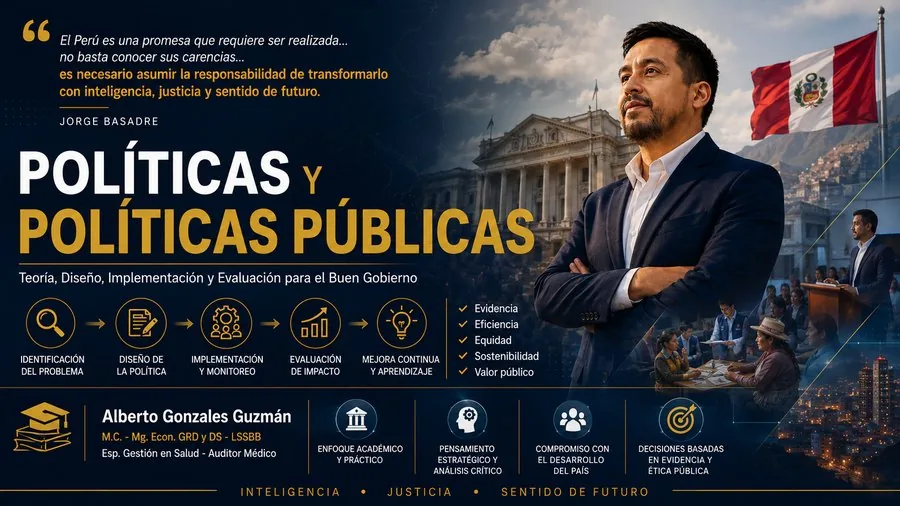
Politics, policy and public policy

Politics and public policy

Preparing my classes takes me back to the fundamental questions: the difference between the political, politics and policies, and what truly makes a public policy good. That is the lens through which I now see my country\u2019s health.

Read on LinkedIn →
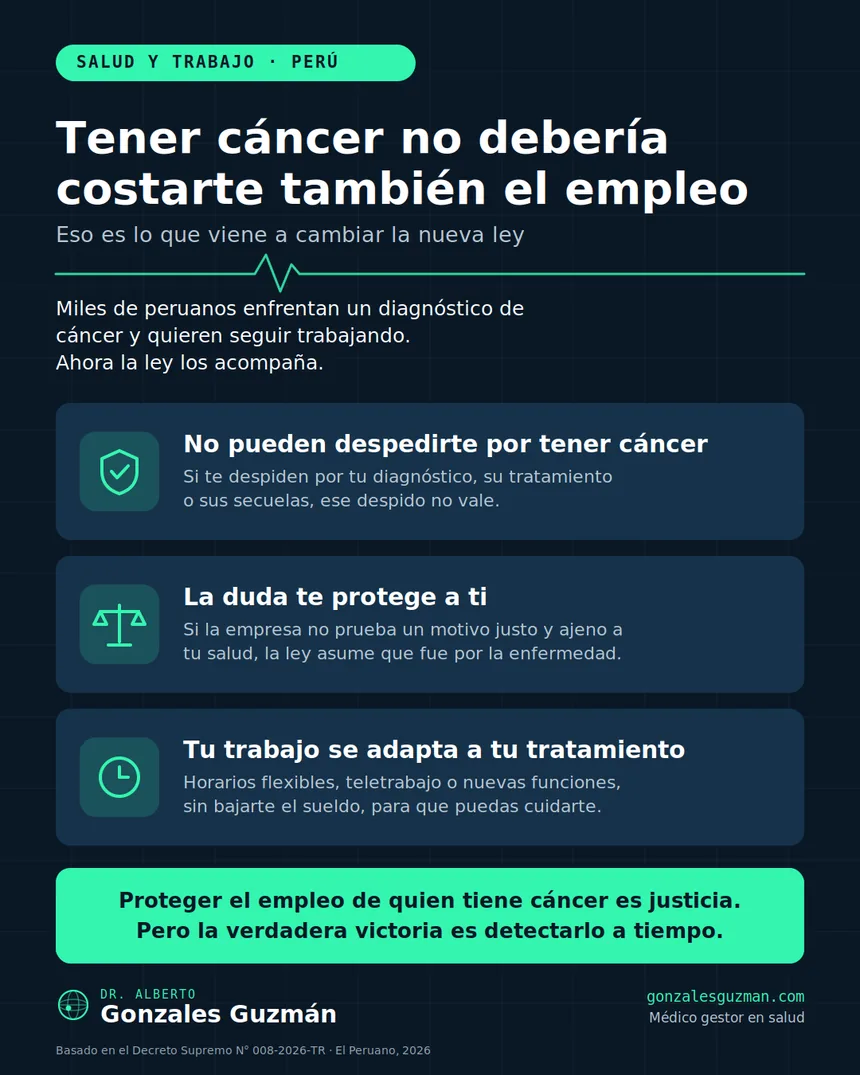
Cancer and employment — Peru's Supreme Decree 008-2026-TR

Cancer and work: a just law, a challenge that's only beginning

Decree 008-2026-TR protects the jobs of people diagnosed with cancer. From national cancer policy, occupational medicine and a personal loss, I reflect on why prevention remains the decisive battle.

Read on LinkedIn →
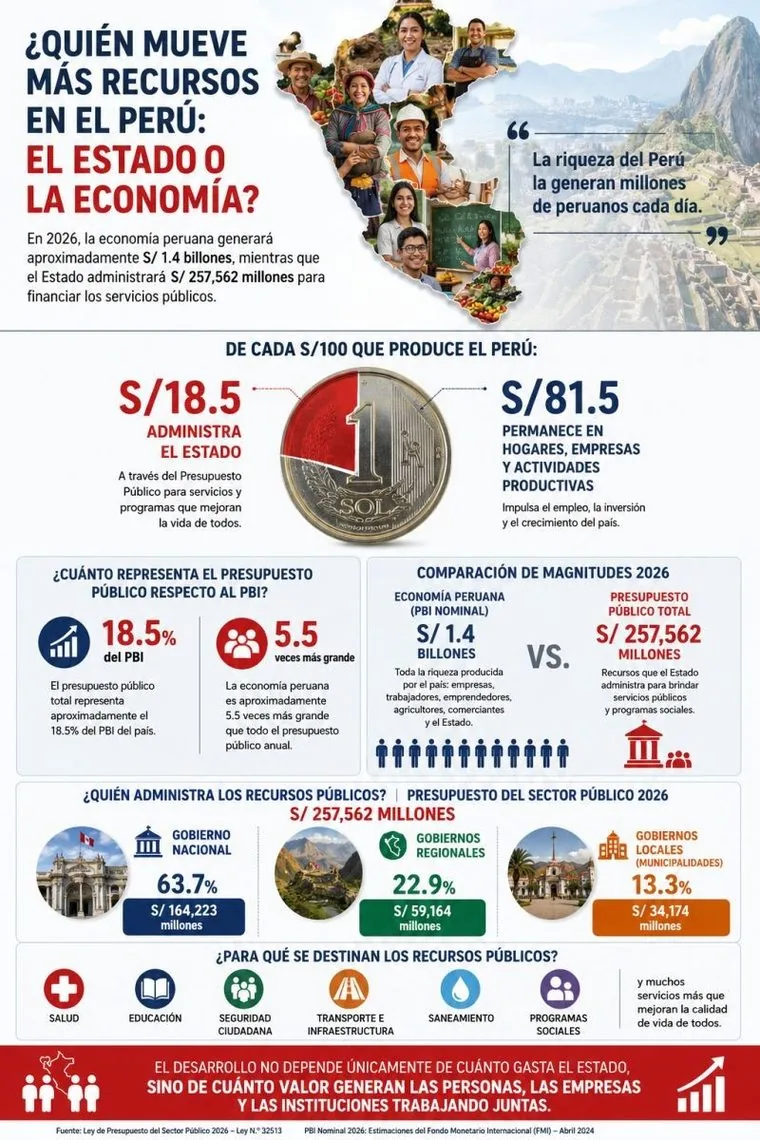
Peru's public budget for 2026

Peru's public budget 2026

Of every S/100 our economy generates, the State manages about S/18.5. Peru's progress depends as much on an effective State as on strengthening the productive capacity of millions of citizens.

Read on LinkedIn →
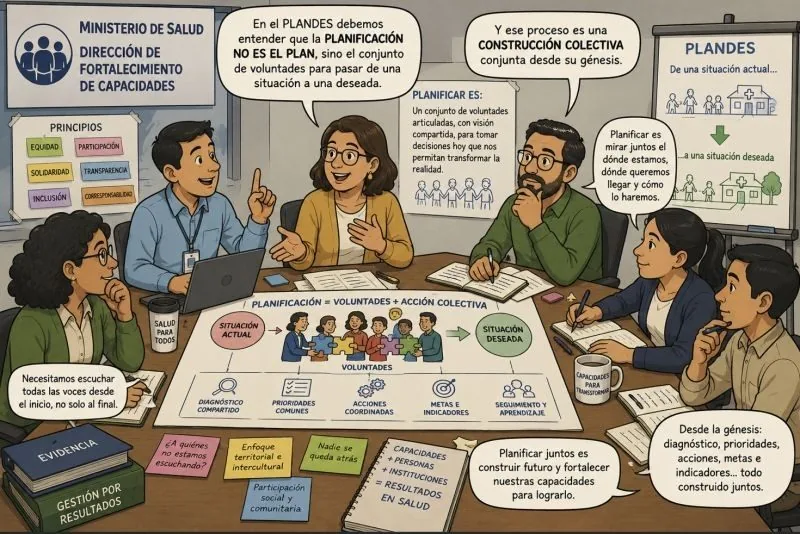
PLANDES 2027-2029, Peru's national health workforce training plan

PLANDES 2027-2029 for health workers

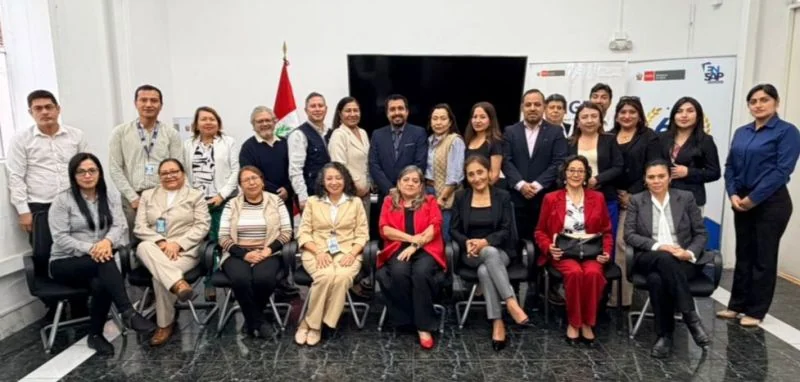
We deliberated on the Ministry of Health's national training plan for health personnel. Resources may be scarce, but will and technical capacity sustain development. Step by step, on firm footing.

Read on LinkedIn →
International presence

From Peru to the region and the world.

My work and my voice have reached health forums across the Americas and Europe.

See teaching and talks →
2025
Geneva
Switzerland
World Hospital Congress
2025
Bogotá
Colombia
Critical thinking in health · CLACSO International Health Working Group and Institute of Public Health, Javeriana University
2024
Panama City
Panama
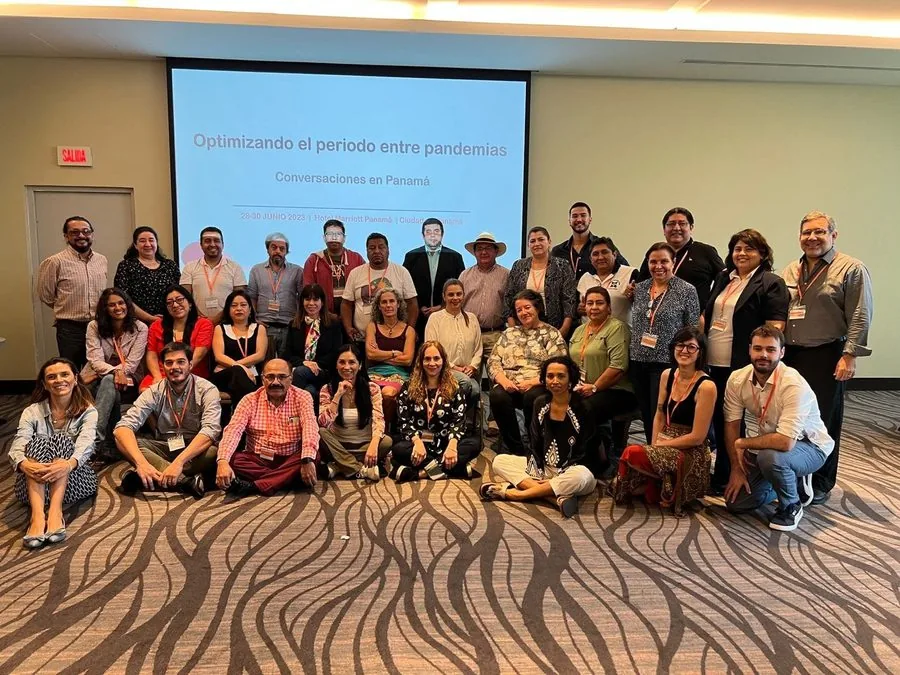
Managing between pandemics · ISGlobal and UNITAID
2018
Vienna
Austria
International Atomic Energy Agency (IAEA)
2011
Concepción and Santiago
Chile
International School of Popular Health Education · EPES Foundation
2009
Havana
Cuba
Representing Peru · International People’s Health University
2006
San José
Costa Rica
Investigator meeting · Pfizer
Let's talk

A system to transform? Let's start.

Write to me for consulting, advisory, speaking invitations, or to explore a leadership role. I reply personally.